Introduction
Homeowners in Gig Harbor, WA want garage upgrades that handle salt air, damp winters, and modern convenience. Choosing the right materials for smart garage systems affects longevity, insulation, quiet operation, and the reliability of connected components. This guide walks through material choices, local weather considerations, installation tips, and maintenance so you can pick a system that fits West Sound conditions.
Material Options: Pros and Cons
When specifying smart garage systems, the door material is the base decision. The material you choose influences durability, thermal performance, weight (which affects opener selection), and maintenance needs.
Steel
Steel is the most common choice for residential smart garage systems. It’s strong, cost-effective, and compatible with insulation cores for higher R-values. For Gig Harbor, pick galvanized or hot-dipped steel with a marine-grade finish to resist corrosion from salt-spray.
- Pros: Durable, affordable, good insulation options.
- Cons: Can corrode near the coast without proper finish; dents under impact.
Aluminum
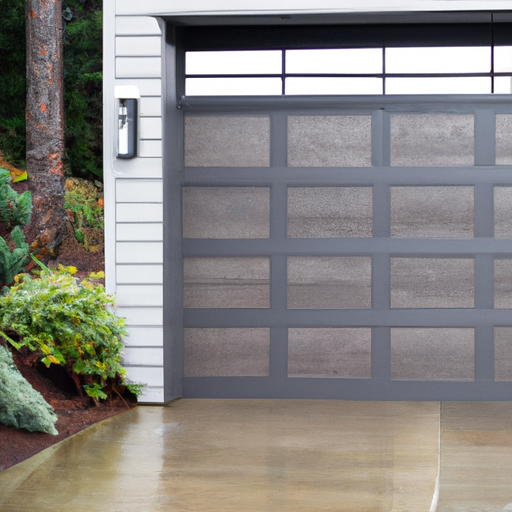
Aluminum is lightweight and naturally corrosion-resistant, a plus for coastal WA homes. It’s often used for contemporary panel designs and glass inserts. Because aluminum is lighter, it pairs with a wider range of smart openers, including battery-backed models.
- Pros: Rust-resistant, lightweight, modern look.
- Cons: Softer than steel (easier to dent), usually lower insulation value unless insulated panel options are chosen.
Wood & Wood-Composite
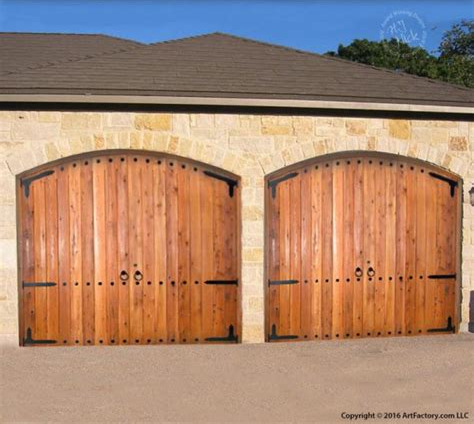
Wood doors offer a classic aesthetic but need regular sealing in Gig Harbor’s humid climate. Engineered wood or composite alternatives deliver a similar look with less maintenance and better rot resistance.
- Pros: Attractive finish, good customization.
- Cons: Requires maintenance; real wood can warp or rot if not sealed properly.
Fiberglass/Composite
Composite doors resist moisture and can mimic wood grain without the upkeep. They often come with foam cores for insulation and hold finishes well in changing humidity.
- Pros: Low maintenance, rot-resistant, stable in moisture.
- Cons: Can be more expensive; finish options vary.
Insulation & Noise Control
For smart garage systems, insulation matters for comfort and energy use. Insulated doors paired with a properly sized smart opener reduce noise from operation and stabilize garage temperatures—important if you use the garage as a workspace.
- R-value: Look for higher R-values if the garage is attached or used as living space.
- Insulation types: Polyurethane cores provide higher R-values; polystyrene is cost-effective.
- Weatherstripping: Marine-grade bottom seals and top seals reduce drafts from wind and salt spray.
Smart Integration and Hardware Compatibility
Not every material choice works the same with every smart garage system. Consider weight, balance, and hardware mounting when selecting a door and opener pairing.
Opener Power and Drive Type
Heavy insulated doors usually need more powerful openers (1 to 1.25 HP or appropriate torque-rated units). Belt drives run quieter—useful for attached homes. Chain drives can be economical but noisier.
Smart Components
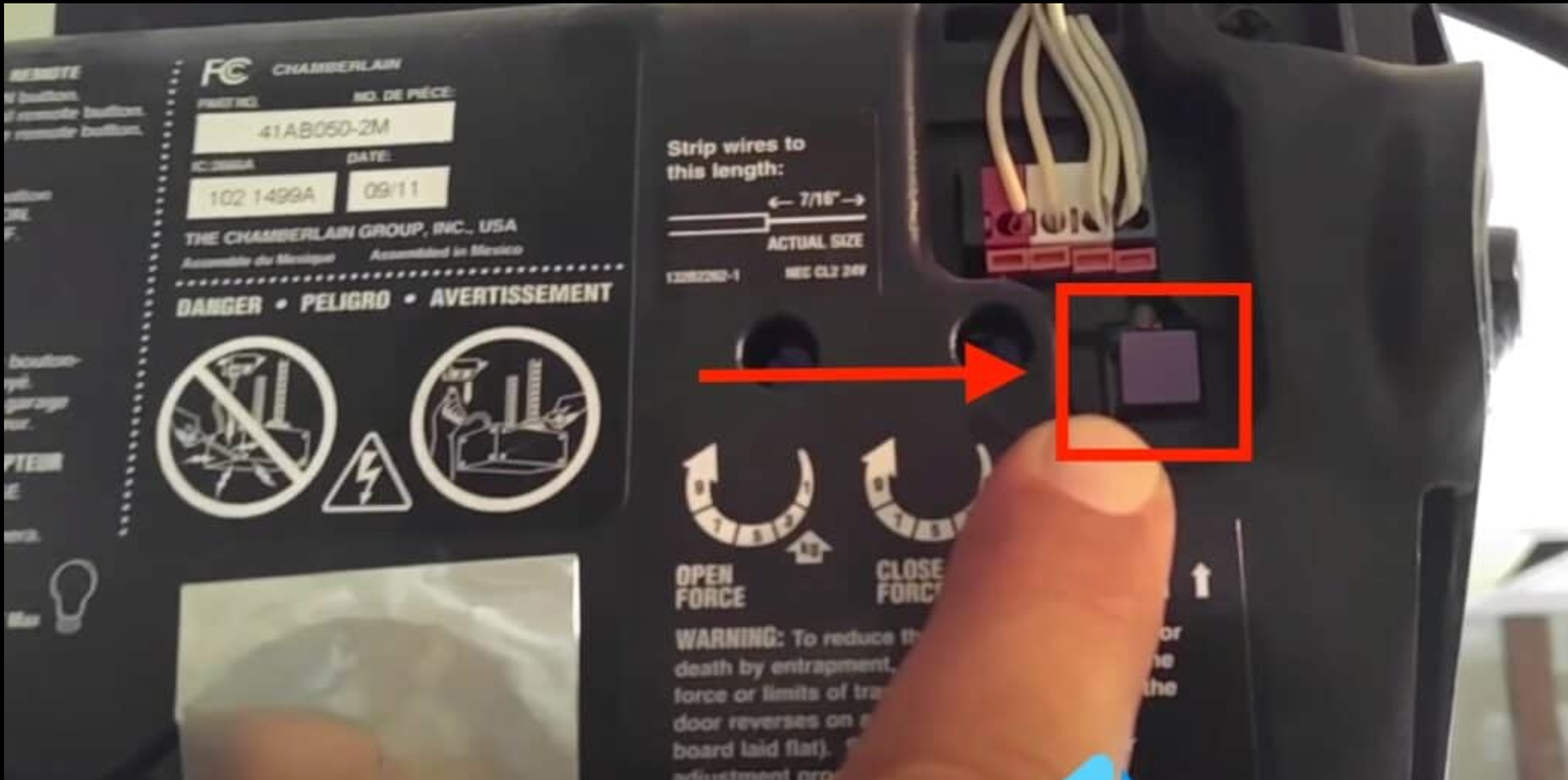
Key smart components include the opener with Wi-Fi, garage door sensors, keypads, and battery backup. Ensure the opener manufacturer supports the platforms you prefer (Apple HomeKit, Google, Alexa) and that sensors are rated for damp environments common in Gig Harbor.
Corrosion Resistance for Electronics
Choose smart sensors and keypads with IP-rated enclosures. Metal contacts and exposed connectors should be sealed or stainless to avoid salt-induced failures. Position external components under shelter where possible.
Local Considerations for Gig Harbor, WA
Gig Harbor’s microclimate—mild temperatures, frequent rain, and coastal influence—changes material priorities compared with inland areas.
Salt Air & Coastal Exposure
The nearest saltwater makes corrosion resistance a top concern. Marine-grade paint, stainless steel hardware, or aluminum faces can significantly extend a system’s service life.
Moisture and Thermal Cycling
Repeated wet/dry cycles can stress seals and finishes. Use waterproof weatherstripping, and consider higher-grade finishes or composite materials to reduce maintenance.
Wind and Impact
Gig Harbor neighborhoods near open water may face gusts. Heavier, reinforced panels and proper installation (reinforced brackets, wind-rated tracks) help prevent damage.
Installation, Maintenance, and Permits
Material choice affects installation complexity. Proper installation protects smart electronics from vibration and misalignment.
Installation Timeline
Typical timelines in this area:
- Smart opener retrofit on an existing door: 2–6 hours.
- Full door replacement with smart integration: 1–2 days depending on custom work and finish curing.
- Complex projects (structural changes): allow extra time for permitting and inspections.
Permits & Local Code
For like-for-like door replacement, many Gig Harbor projects do not require a permit. Structural changes, enlarging an opening, or altering load-bearing supports will typically require permits and inspections—check City of Gig Harbor or Pierce County guidance before starting.
Routine Maintenance
To extend the life of smart garage systems in Gig Harbor:
- Inspect seals and hinges twice a year; reapply protective finish to metal surfaces as needed.
- Test smart sensors and backup battery annually, especially before storm season.
- Lubricate rollers and springs with weather-appropriate lubricants to resist moisture buildup.
Costs and Warranty Expectations
Costs vary by material, size, and smart component choices. Typical local ranges:
- Basic smart opener retrofit (opener + sensors): $600–$1,200 installed.
- New insulated steel door with smart opener: $1,800–$4,500 depending on size and finish.
- High-end wood or composite with custom finish and integrated smart features: $4,000+.
Manufacturer warranties vary—openers often carry 1–5 years for parts, while some door panels and insulation cores offer longer limited warranties. Ask about local service plans and corrosion coverage specific to coastal climates.
Choosing an Installer
When installing smart garage systems, pick a contractor who understands local conditions. Look for:
- Experience with corrosion-resistant finishes and coastal installations.
- Knowledge of smart integrations and preferred platforms.
- Clear service terms, local references, and written warranty on labor.
For more detailed reading on smart garage systems and material comparisons, see our resources page and technical posts on the blog: https://garagedoors-gigharbor.com/blog.
If you’re ready to schedule a local assessment or need help matching a door to the right smart opener, view our installation options on the services page: https://garagedoors-gigharbor.com/services. For a free quote or same-week consultation, contact our Gig Harbor team: https://garagedoors-gigharbor.com/contact.
Final Checklist for Gig Harbor Homeowners
- Prioritize corrosion resistance (galvanized steel, aluminum, stainless hardware).
- Choose insulation level based on whether the garage is conditioned or attached.
- Match door weight to a compatible smart opener and consider belt drive for quiet operation.
- Use sealed or marine-rated smart sensors and protect external controls from direct exposure.
- Confirm permits for structural changes before starting work.
Smart garage systems combine convenience with safety and efficiency—but the right materials ensure those advantages last in Gig Harbor’s coastal climate. If you want a site visit to evaluate material options and compatible smart components, our technicians provide an on-site assessment and written recommendations tailored to your home.
Frequently Asked Questions
1. How does salt air in Gig Harbor affect material choice for smart garage systems?
Salt air increases corrosion risk. Choose galvanized or hot-dipped steel with marine-grade paint, aluminum, or composite faces and stainless hardware. Protect electronics with IP-rated enclosures and position external keypads under eaves when possible.
2. What is a typical installation timeline for a smart garage system in Gig Harbor?
A smart opener retrofit usually takes less than a day (2–6 hours). A full door replacement with smart integration commonly finishes in 1–2 days. Allow extra time if permits or structural modifications are needed.
3. What price range should Gig Harbor homeowners expect?
Expect $600–$1,200 for a smart-opener retrofit. New insulated steel doors with a smart opener typically range $1,800–$4,500. Custom wood or high-end composite packages start higher. Exact cost depends on size, finish, insulation, and smart features.
4. Do I need a permit to replace my garage door in Gig Harbor?
Like-for-like replacements often don’t require permits, but any structural change, enlargement, or new opening usually does. Check with the City of Gig Harbor or Pierce County building department, or ask your contractor to confirm permit requirements.
5. What warranty and maintenance should I expect for smart garage systems?
Openers commonly have 1–5 year part warranties; doors and insulation cores may have longer limited warranties. Ask installers about local service plans, corrosion-related coverage, and recommended inspection intervals for Gig Harbor’s climate.
Helpful local resources in Gig Harbor, WA
- Garage Door Repair Seattle
- Garage Door Repair Bellevue
- Garage Door Repair Redmond
- Garage Door Repair Kirkland
- Garage Door Repair Mercer Island
- Garage Door Repair Edmonds
- Garage Door Repair Issaquah
- Garage Door Repair Tacoma
- Garage Door Repair Everett
- Garage Door Repair Bothell
- Garage Door Repair Sammamish
- Garage Door Repair Renton
- Garage Door Repair Lynnwood
- Garage Door Repair Woodinville
- Garage Door Repair University Place
- Garage Door Repair Gig Harbor
- Garage Door Repair Lakewood
- Garage Door Repair Puyallup
- Garage Door Repair Mukilteo
- Garage Door Repair Vancouver
- Garage Door Repair Kenmore
- Garage Door Repair Burien
- Garage Door Repair Auburn
- Garage Door Repair South Hill
- Garage Door Repair Yarrow Point
- Garage Door Repair Clyde Hill
- Garage Door Repair Port Townsend
- Garage Door Repair Duvall
- Garage Door Repair Snoqualmie